|
|
The Pirate Radio Hall of Fame needs your
|
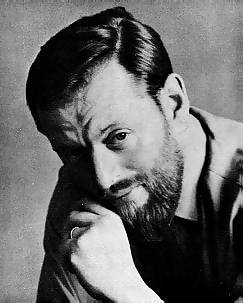
 Kilroy A few weeks before the Marine Offences Act was introduced, during the summer of 1967, a new voice appeared on Radio Caroline South presenting late night shows. His name
was Kilroy. For a long time we didn't have any information about him other than he was a former club DJ and a black American. In August 2009 we were sent an audio clip (below) in which Kilroy was introduced on air by
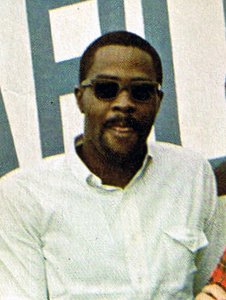
Robbie Dale. The conversation revealed that Kilroy was tall, 6 foot 3 inches, 26 years old and had played basketball in the States before joining Caroline. The photo, left, is from a French
magazine Special dated August 1967 and The Pirate Radio Hall of Fame thinks that the unidentified DJ is probably Kilroy. Then, in 2018, we heard from the man himself. He wrote: “My
name is Elroy Prater Jr. I was the disc-jockey Kilroy in 1967. I am your ‘host with the most, the man with the velvet voice, the people's choice’. Sadly, that is all he wrote. We have asked for more details about his
career - both before and after Caroline - but, at the time of writing, haven't had any reply. If we find out any more, we will update this page. (Thanks to Elroy for getting in touch. There is another photo of him in
Sheridon Street's album.)
Kilroy A few weeks before the Marine Offences Act was introduced, during the summer of 1967, a new voice appeared on Radio Caroline South presenting late night shows. His name
was Kilroy. For a long time we didn't have any information about him other than he was a former club DJ and a black American. In August 2009 we were sent an audio clip (below) in which Kilroy was introduced on air by
Robbie Dale. The conversation revealed that Kilroy was tall, 6 foot 3 inches, 26 years old and had played basketball in the States before joining Caroline. The photo, left, is from a French
magazine Special dated August 1967 and The Pirate Radio Hall of Fame thinks that the unidentified DJ is probably Kilroy. Then, in 2018, we heard from the man himself. He wrote: “My
name is Elroy Prater Jr. I was the disc-jockey Kilroy in 1967. I am your ‘host with the most, the man with the velvet voice, the people's choice’. Sadly, that is all he wrote. We have asked for more details about his
career - both before and after Caroline - but, at the time of writing, haven't had any reply. If we find out any more, we will update this page. (Thanks to Elroy for getting in touch. There is another photo of him in
Sheridon Street's album.)
 Kilroy being interviewed on Radio Caroline South by Robbie Dale in July 1967. Recording kindly provided by Andy Walker (duration 1 minute 23 seconds)
Kilroy on Radio Caroline South on 7th August 1967. The voice at the start is Johnnie Walker. The show is starting a few minutes late because the station has been off the air for a few
minutes for technical adjustments. Many thanks to Harm Koenders of The Offshore Radio Archive for this recording (duration 2 minutes 15 seconds)
Kilroy being interviewed on Radio Caroline South by Robbie Dale in July 1967. Recording kindly provided by Andy Walker (duration 1 minute 23 seconds)
Kilroy on Radio Caroline South on 7th August 1967. The voice at the start is Johnnie Walker. The show is starting a few minutes late because the station has been off the air for a few
minutes for technical adjustments. Many thanks to Harm Koenders of The Offshore Radio Archive for this recording (duration 2 minutes 15 seconds)
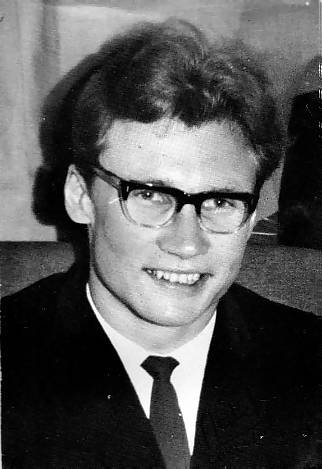
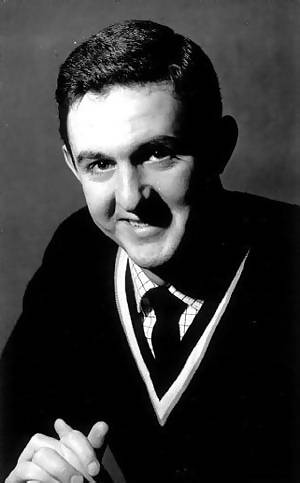
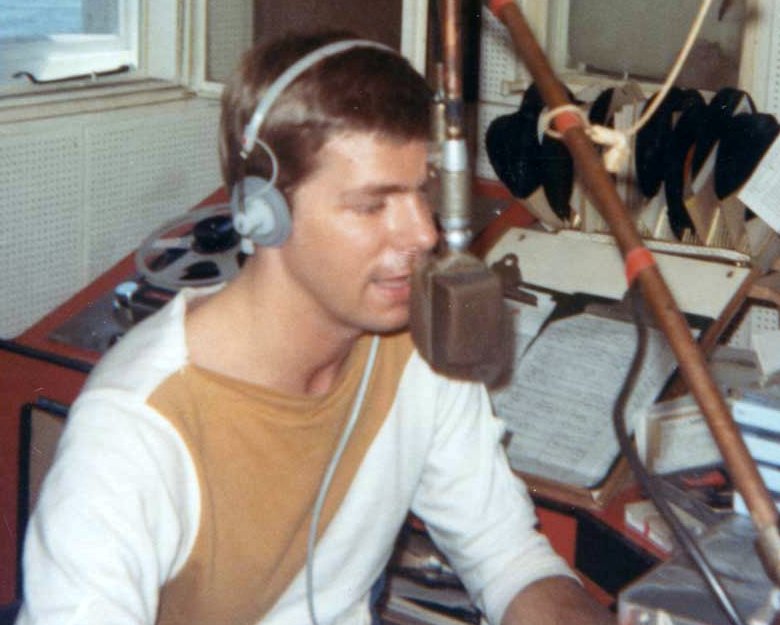 Jerry King A Canadian, Jerry was born in Welland, Ontario, on 2nd May 1941. 6 foot 2 inches tall, he initially trained to be a Physical Education teacher but decided on a
change of career and made his broadcasting debut on Welland Radio. He worked for CKLB-AM and CKQS-FM in Ontario and for ZBM radio and television in Bermuda before heading for the UK. He started with Caroline South in March 1967,
soon transferring to the North ship. He used Tune Up by Junior Walker & the All-Stars and Kremlin, Koke, Kaviar by the David Whitaker Orchestra as theme
tunes. Jerry stayed with Caroline until the introduction of the anti-pirate legislation in August, when he turned to journalism with United Press International. He worked for UPI in London
and New York before joining the American television network ABC in September 1971 as an overseas correspondent. He appeared on World News Tonight With Peter Jennings, Nightline, 20/20, Good Morning America and other network
news programmes. During his time in network television Jerry reported from all over the world and interviewed a number of important international figures including Yasir Arafat, King Hussein of Jordan, Lech Walesa, the Shah of Iran
and Ayatollah Khomeini. He has now retired. (Photo by Nick Bailey. See more of his pictures here. There are more pictures of Jerry in Sheridon Street's photo album.
With thanks to Pete Smith and Hans Knot for the theme tune information.)
Jerry King A Canadian, Jerry was born in Welland, Ontario, on 2nd May 1941. 6 foot 2 inches tall, he initially trained to be a Physical Education teacher but decided on a
change of career and made his broadcasting debut on Welland Radio. He worked for CKLB-AM and CKQS-FM in Ontario and for ZBM radio and television in Bermuda before heading for the UK. He started with Caroline South in March 1967,
soon transferring to the North ship. He used Tune Up by Junior Walker & the All-Stars and Kremlin, Koke, Kaviar by the David Whitaker Orchestra as theme
tunes. Jerry stayed with Caroline until the introduction of the anti-pirate legislation in August, when he turned to journalism with United Press International. He worked for UPI in London
and New York before joining the American television network ABC in September 1971 as an overseas correspondent. He appeared on World News Tonight With Peter Jennings, Nightline, 20/20, Good Morning America and other network
news programmes. During his time in network television Jerry reported from all over the world and interviewed a number of important international figures including Yasir Arafat, King Hussein of Jordan, Lech Walesa, the Shah of Iran
and Ayatollah Khomeini. He has now retired. (Photo by Nick Bailey. See more of his pictures here. There are more pictures of Jerry in Sheridon Street's photo album.
With thanks to Pete Smith and Hans Knot for the theme tune information.)
Jerry on The King Thing from Radio Caroline North, lunchtime on 13th August 1967, the day before he left the ship ahead of the impending legislation. This is an edited version of a recording shared on the Internet
Radiocafé, now known as the Radiotrefpunt (radio meeting point) forum by Bertus. Our thanks to him (duration 4 minutes 18
seconds)
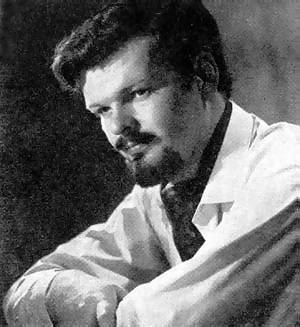
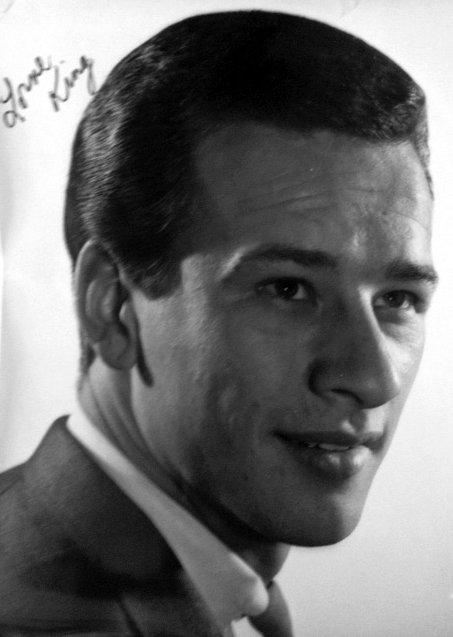 Lorne King Born on 1st February 1943 in Vegreville, Alberta, in Canada, Lorne's first radio experience was gained on CKSA, Lloydminster, Alberta. He also worked for its television
sister station CKSA-TV and at live shows around the area. After a stint at CKRD in Red Deer, also in Alberta, and on CKRD-TV, Lorne set off on his travels to Europe and North Africa. He arrived in the UK at the end of 1966 and on
7th February 1967 joined Radio London. He presented his first show the next evening, sitting in for Mark Roman. His theme tune on Big L was Train To
Nowhere by The Champs. Radio Caroline South's Steve Young says: “He was born Lorne Kassian and I first remember hearing him broadcasting on CKRD in Red Deer, AB (just south of Edmonton) in
1963, if memory serves me correctly. That was the year before I came over to the UK and then, a couple of years later wound up working for Caroline South. He also worked for a while in Lethbridge in southwestern Alberta, which
coincidentally was a city in which I lived when we first moved to Canada from the UK in the late 50s. It was there that I got my first real taste of North American radio, listening to CJOC (a.k.a. C-Jock) and marveling at the warm,
professional sound of their on-air personnel. Some years later he worked at CJCA (Tiger Radio) in Edmonton where, again coincidentally, my wife Trish had worked for a few years as their record librarian, although this was not during
Lorne's tenure there. I first met Lorne on the tender when he was leaving Big L to go on his regular week's shore leave. Both being Alberta boys we compared notes and promised each other that we would meet up for a pint (or two) the
next chance we had. Unfortunately that chance didn't come until the Vancouver pirate radio reunion (in 2004).” Lorne only stayed with Radio London for four months, returning to Canada at the end of May 1967. In October 2000 we
heard from Ben Healy who told us: “Up until recently Lorne worked on CJCA in Edmonton and has enjoyed a successful career on radio in the city for the past 30 years. He has now moved back to where
he was born, Vegreville, which is about an hour's drive from Edmonton and is enjoying his retirement.” Lorne died on 10th May 2023 in Edmonton. He had been suffering from cancer. There are photos of the Vancouver reunion
mentioned by Steve here. (This Radio London promotional photo was kindly provided by Mary Payne of the Radio London website. Theme tune
information courtesy of Kees Brinkerink, Frank van Heerde and Alan Field.)
Lorne King Born on 1st February 1943 in Vegreville, Alberta, in Canada, Lorne's first radio experience was gained on CKSA, Lloydminster, Alberta. He also worked for its television
sister station CKSA-TV and at live shows around the area. After a stint at CKRD in Red Deer, also in Alberta, and on CKRD-TV, Lorne set off on his travels to Europe and North Africa. He arrived in the UK at the end of 1966 and on
7th February 1967 joined Radio London. He presented his first show the next evening, sitting in for Mark Roman. His theme tune on Big L was Train To
Nowhere by The Champs. Radio Caroline South's Steve Young says: “He was born Lorne Kassian and I first remember hearing him broadcasting on CKRD in Red Deer, AB (just south of Edmonton) in
1963, if memory serves me correctly. That was the year before I came over to the UK and then, a couple of years later wound up working for Caroline South. He also worked for a while in Lethbridge in southwestern Alberta, which
coincidentally was a city in which I lived when we first moved to Canada from the UK in the late 50s. It was there that I got my first real taste of North American radio, listening to CJOC (a.k.a. C-Jock) and marveling at the warm,
professional sound of their on-air personnel. Some years later he worked at CJCA (Tiger Radio) in Edmonton where, again coincidentally, my wife Trish had worked for a few years as their record librarian, although this was not during
Lorne's tenure there. I first met Lorne on the tender when he was leaving Big L to go on his regular week's shore leave. Both being Alberta boys we compared notes and promised each other that we would meet up for a pint (or two) the
next chance we had. Unfortunately that chance didn't come until the Vancouver pirate radio reunion (in 2004).” Lorne only stayed with Radio London for four months, returning to Canada at the end of May 1967. In October 2000 we
heard from Ben Healy who told us: “Up until recently Lorne worked on CJCA in Edmonton and has enjoyed a successful career on radio in the city for the past 30 years. He has now moved back to where
he was born, Vegreville, which is about an hour's drive from Edmonton and is enjoying his retirement.” Lorne died on 10th May 2023 in Edmonton. He had been suffering from cancer. There are photos of the Vancouver reunion
mentioned by Steve here. (This Radio London promotional photo was kindly provided by Mary Payne of the Radio London website. Theme tune
information courtesy of Kees Brinkerink, Frank van Heerde and Alan Field.)
Lorne King on Big L from the evening of 21st April 1967. This is an edited version of a recording shared on the Internet Radiocafé, now known as the Radiotrefpunt (radio meeting point) forum by Vincent. Our thanks to him (duration 4 minutes 6 seconds)
Lorne on The King Thing on Radio London during the afternoon of 1st May 1967. Tape courtesy of Ray Andrews (duration 3 minutes 9 seconds)
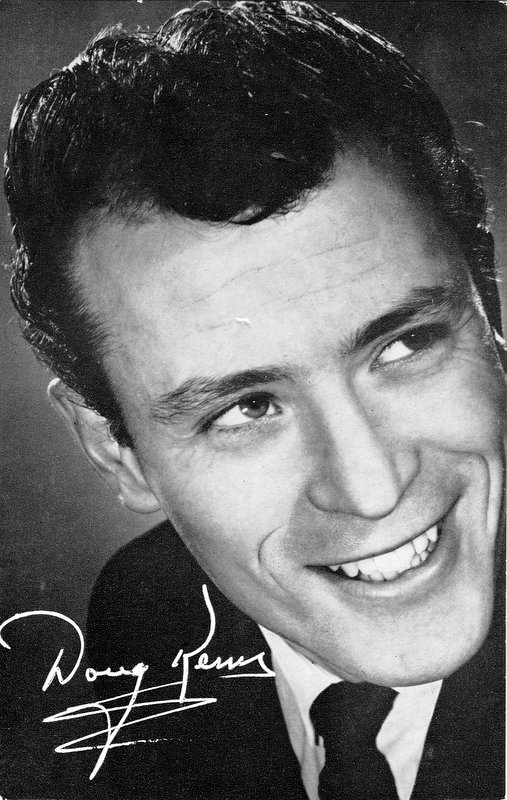
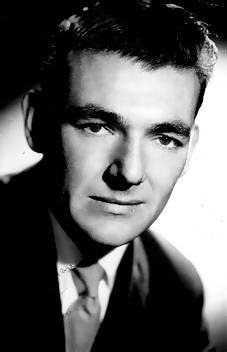 Ted King presented the Breakfast Club programme six days a week during the short but pioneering life of Radio Atlanta, Britain's second offshore radio station. He had
got his first taste of broadcasting while serving in the RAF in 1951. He was stationed in Cyprus and appeared on a programme called I Know What I Liked on the local Forces Broadcasting Service outlet. He enjoyed the experience
and successfully applied for a full-time post. Starting as a librarian and junior announcer he worked in Fayed in the Suez Canal Zone, Tripoli, Cyprus and Benghazi. In 1959 he left the service and joined Radio Luxembourg, working
alongside Don Moss and Barry Alldis in the Grand Duchy. He was the guest disc-jockey on ITV's Thank Your Lucky Stars on 2nd December 1961. With a growing family, Ted decided to leave Luxembourg and return home and in 1962
he made his debut on the BBC Light Programme, presenting an edition of Midday Spin. A number of other radio shows followed as well as some TV appearances. In 1964 he was approached by Radio Atlanta, which he joined from day one. Unlike the
other offshore stations, most of Atlanta's programmes were recorded in studios on land. Ted says “It was a fascinating venture for me. Then one day I went in (to the office in Soho) and found there was no more Radio Atlanta. It
had been sold to Radio Caroline.” Atlanta closed down in July 1964 and Ted returned to BFBS (as it was now known) to work as a broadcaster and producer. He was heard again on the BBC in 1968 when he co-presented some editions of
Two Way Family Favourites from Malta. He produced numerous programmes for BFBS including some featuring former pirate DJs John Peel, David Allan and
Dave Lee Travis. Ted retired in 1988, intending to carry on working part-time but it was not to be. An operation for throat cancer and a tracheotomy, followed by a number of strokes, left him severely
weakened. After a long period of poor health he died on 10th December 2004. (This picture dates from Ted's time with Radio Luxembourg. Does anybody have one from when he was with Radio Atlanta? Thanks to Mark Lewisohn and Chris
& Mary Payne for their assistance.)
Ted King presented the Breakfast Club programme six days a week during the short but pioneering life of Radio Atlanta, Britain's second offshore radio station. He had
got his first taste of broadcasting while serving in the RAF in 1951. He was stationed in Cyprus and appeared on a programme called I Know What I Liked on the local Forces Broadcasting Service outlet. He enjoyed the experience
and successfully applied for a full-time post. Starting as a librarian and junior announcer he worked in Fayed in the Suez Canal Zone, Tripoli, Cyprus and Benghazi. In 1959 he left the service and joined Radio Luxembourg, working
alongside Don Moss and Barry Alldis in the Grand Duchy. He was the guest disc-jockey on ITV's Thank Your Lucky Stars on 2nd December 1961. With a growing family, Ted decided to leave Luxembourg and return home and in 1962
he made his debut on the BBC Light Programme, presenting an edition of Midday Spin. A number of other radio shows followed as well as some TV appearances. In 1964 he was approached by Radio Atlanta, which he joined from day one. Unlike the
other offshore stations, most of Atlanta's programmes were recorded in studios on land. Ted says “It was a fascinating venture for me. Then one day I went in (to the office in Soho) and found there was no more Radio Atlanta. It
had been sold to Radio Caroline.” Atlanta closed down in July 1964 and Ted returned to BFBS (as it was now known) to work as a broadcaster and producer. He was heard again on the BBC in 1968 when he co-presented some editions of
Two Way Family Favourites from Malta. He produced numerous programmes for BFBS including some featuring former pirate DJs John Peel, David Allan and
Dave Lee Travis. Ted retired in 1988, intending to carry on working part-time but it was not to be. An operation for throat cancer and a tracheotomy, followed by a number of strokes, left him severely
weakened. After a long period of poor health he died on 10th December 2004. (This picture dates from Ted's time with Radio Luxembourg. Does anybody have one from when he was with Radio Atlanta? Thanks to Mark Lewisohn and Chris
& Mary Payne for their assistance.)
Nick Kirby was a DJ on Radio Sutch, a short-lived 1964 pop station based on Shivering Sands anti-aircraft fort in the Thames Estuary. What Nick's listeners did not know was that he was also blind. Shivering Sands was not a safe place for anyone, having been abandoned to the elements some years before Screaming Lord Sutch took it over. It must have taken amazing bravery to live and work aboard that fort with impaired vision. Nick was born in 1944 and lived in Westcliff, Essex. Steve Read, his cousin grew up near him. Steve writes: “Nicky was born totally blind but was the guinea pig for some groundbreaking eye operations and by the age of 11 or so he had partial sight. Eventually his sight failed but he had some years where he could see something. He was a really lovely guy and was passionate about music. He had his own record label, Nicrosound. I don't know much about his career as a DJ as I was only about 11 or 12 when the pirates were about, but I do remember he had a show on a Saturday night and he always used to play a request for either me or my brother Mark. It was usually because he hadn't got many requests so he just did them for people he knew. I used to listen to it on my cream Binatone transistor radio in bed. I remember him telling me that it was his turn one night to do the washing up and by accident he dropped all the knives and forks over the side and, as the weather was rough, the supply boat couldn't get to them and everyone had to eat with their hands for a few days. All the turntables and records got very greasy! It must have taken a lot of balls to go onto the fort as a blind guy, but Nick never ever accepted that he had a disability. He wouldn't wear dark glasses and he most definitely wouldn't get a white stick. I remember he was adamant that his press photos were him. No dark glasses.” The jazz musician and broadcaster Digby Fairweather was a friend of Nick's after his time as an offshore DJ. He writes: “I regularly saw Nick around the jazz scene of the 1970s when he came to sessions where I was playing and also (possibly) to the record library at Southend Public Library which I ran from 1973 until turning professional as a jazz musician in 1977. He was a very kind and enthusiastic man who never either let his handicap get in his way at all, nor dwelt on it to others. My principal memory of course is of my first ever recording session which took place in Nick's front room in Eastwood around 1972 I think. Guitarist Len Page - a very good friend - had assembled a seven piece band including clarinettist-saxophonist Derek Else and we recorded a number of titles one morning which Nick engineered and then ‘issued’ on a reel-to-reel tape under the name of Nicrosound. It was a very informal affair but Nick did very well and the tape was subsequently well reviewed in Jazz Journal. Nick was a very brave man and a very good friend to music. I miss him.” Steve tells us that Nick retained his passion for commercial radio and was part of a consortium that bid unsuccessfully for an Essex radio license. Nick died of a brain haemorrhage in 1994. Steve continues: “Nick was a really lovely bloke with perfect pitch and amazing gift for mimicry.” (Our thanks to Steve Read and Digby Fairweather for their assistance.)
A short clip of Nick Kirby on Radio Sutch in 1964. Recording kindly provided by Martyn Webster (duration 1 minute 4 seconds)
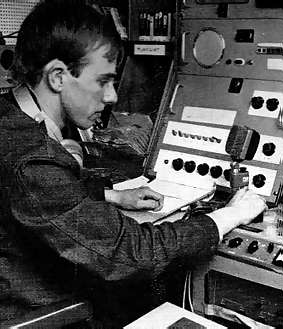
Andy Kirk Born in Leeds, Yorkshire, in 1947, Andy joined his local offshore station, Radio 270, where he was their youngest DJ. Previously he had been a musician, touring
the country performing in a folk group. Radio 270 had two completely separate DJ teams and the programme schedule depended on which team was on board. Andy presented the 9pm-midnight show, alternating with Alex
Dee. He left the station in November 1966 after talking to the press about his doubts over the 270 ship's ability to withstand the rough seas off the Yorkshire coast. His present whereabouts are unknown and any
information would be very gratefully received, as it would about any of the inductees in The Pirate Radio Hall of Fame. (This is a promotional
photo issued by Radio 270.)
Andy Kirk on Radio 270 one evening in 1966. Tape kindly provided by Bob Glen (duration 4 minutes 6 seconds)
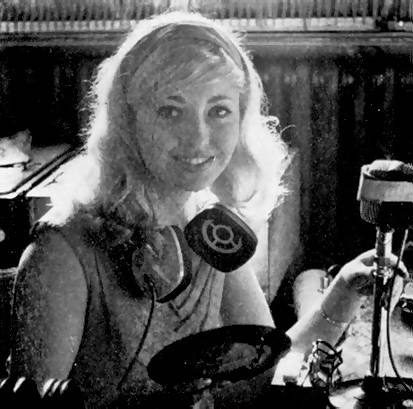
Peggy Knight Real name Linda Bass, she used her mother's maiden name on air. She presented some pre-recorded Saturday afternoon shows on Radio City in 1965. The station
made much of the fact that she had been crowned Romford's carnival queen and a number of photos appeared in the press of her in the Radio City studio, although she only visited the fort a couple of times. She now runs a company
specialising in the hire of upmarket fancy dress. She attended the 2014 Radio Day in Amsterdam (see photo on this page). (Some of this information comes from an article in
Offshore Echos magazine. Can anyone provide a recording of Peggy Knight on Radio City?)

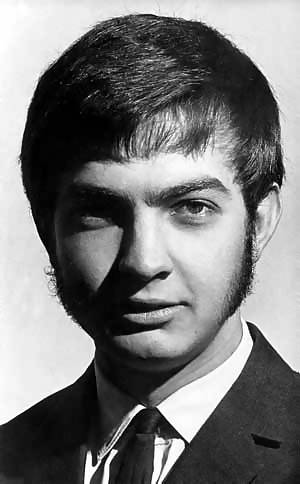 Paul Kramer From Neasden, north London, born in 1947 or 1948 (he says '48 in the Radio 270 audio clip below), Paul was educated at Quintin Grammar School, St John's Wood. He
was interested in film-making and, while at school, produced an 8mm film with some friends. After finishing his education he worked in the film industry and formed his own independent production company. In 1965 he made a short black
and white film about Radio Caroline, narrated by Carl Conway. There is a copy on the East Anglian Film Archive website. In July 1966
Paul became an offshore DJ himself when he joined Radio City. His nickname was “Kinky” and he used Kinda Kinky by Ray McVay as one of his theme tunes. Another theme, as in the Radio City clip below, was
Honey Badger by the Harry Roberts Sound. Paul referred to himself as “your DJ, PK.” He stayed with Radio City until it closed down in February 1967. Radio Caroline then took on three of City's redundant DJs.
Ian MacRae and Tom Edwards joined the South ship. We previously said that Paul joined Radio Caroline North but Terje Isberg from Stockholm has sent us a recording of Paul,
also on Caroline South, dated Saturday 17th March 1967 (clip below). We can only assume he was given a quick try-out on the Mi Amigo before being sent north. In any case he did not stay with Caroline for long and quickly moved on to
Radio 270, where he stayed until that station closed down in August. Following the anti-pirate legislation, he returned to the movie business but was killed in a car accident on Putney Bridge in London on 5th December 1968. His Radio
City (and, briefly, Caroline South) colleague Ian MacRae writes: “I was actually working on a screenplay that Paul was going to produce when he was killed. He had a couple of well known actors very
interested in taking part. I seem to remember one was Christopher Lee. I'm pretty sure I still have that script in my files. I wrote it all on Radio City between shifts.” (Many thanks to Ross Brown
for providing the photo and Hans Knot for the theme tune information. As well as the audio below, Paul features in an Adrian Love clip.)
Paul Kramer From Neasden, north London, born in 1947 or 1948 (he says '48 in the Radio 270 audio clip below), Paul was educated at Quintin Grammar School, St John's Wood. He
was interested in film-making and, while at school, produced an 8mm film with some friends. After finishing his education he worked in the film industry and formed his own independent production company. In 1965 he made a short black
and white film about Radio Caroline, narrated by Carl Conway. There is a copy on the East Anglian Film Archive website. In July 1966
Paul became an offshore DJ himself when he joined Radio City. His nickname was “Kinky” and he used Kinda Kinky by Ray McVay as one of his theme tunes. Another theme, as in the Radio City clip below, was
Honey Badger by the Harry Roberts Sound. Paul referred to himself as “your DJ, PK.” He stayed with Radio City until it closed down in February 1967. Radio Caroline then took on three of City's redundant DJs.
Ian MacRae and Tom Edwards joined the South ship. We previously said that Paul joined Radio Caroline North but Terje Isberg from Stockholm has sent us a recording of Paul,
also on Caroline South, dated Saturday 17th March 1967 (clip below). We can only assume he was given a quick try-out on the Mi Amigo before being sent north. In any case he did not stay with Caroline for long and quickly moved on to
Radio 270, where he stayed until that station closed down in August. Following the anti-pirate legislation, he returned to the movie business but was killed in a car accident on Putney Bridge in London on 5th December 1968. His Radio
City (and, briefly, Caroline South) colleague Ian MacRae writes: “I was actually working on a screenplay that Paul was going to produce when he was killed. He had a couple of well known actors very
interested in taking part. I seem to remember one was Christopher Lee. I'm pretty sure I still have that script in my files. I wrote it all on Radio City between shifts.” (Many thanks to Ross Brown
for providing the photo and Hans Knot for the theme tune information. As well as the audio below, Paul features in an Adrian Love clip.)
Paul Kramer on Radio City, “the Tower of Power,” from August 1966 (duration 2 minutes 15 seconds)
Paul Kramer sitting in for Johnnie Walker on Radio Caroline South, 17th March 1967. This excellent quality audio was kindly provided by Terje Isberg who recorded it in Sweden. He says: “the
recording was made almost 50 years ago on a Tandberg tape recorder conected to my Trio 9-R59 with a 40 metre band dipole antenna strung about 10 metres above ground between trees in the garden.” Our thanks to Terje (duration
1 minute 10 seconds)
Paul Kramer says his goodbyes on his final Midnight Hour programme on Radio 270, 7th August 1967. Recording courtesy of Stuart Russell (duration 11 minutes 36 seconds). Thanks to Hans Knot for identifying the theme tune used
by Paul on this programme as The Midnight Theme by the Johnnie Spence Orchestra.