|
|
The Pirate Radio Hall of Fame needs your
|
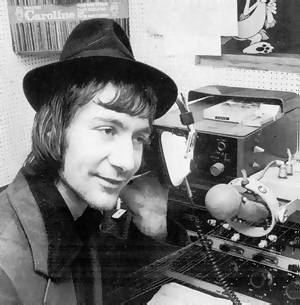
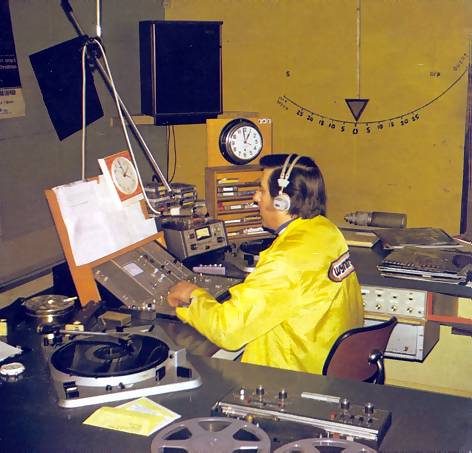
 Brian Anderson From Tunbridge Wells, Kent, Brian's first radio experience was as a freelance contributor to BBC Radios Brighton, London and Medway. In 1973 he worked as
a studio engineer for Radio Caroline in Holland, recording Dutch and English language programmes on land. On 11th January 1974 he was heard on air for the first time when he presented a show on Radio Seagull. After that he
regularly presented programmes on Radio Mi Amigo. (Radio Mi Amigo was a Belgian company hiring the daytime output of the station. The evening programmes were known as Radio Seagull.) Later Radio Seagull changed its name back
to Radio Caroline and Brian was heard there too although he was also employed to play out Mi Amigo's pre-recorded daytime shows. He also hosted an English language show on Mi Amigo. When the Dutch outlawed the offshore stations
and Caroline returned to England, Brian left, intending to join the planned Radio Nova International. When this project collapsed he worked for the Kimberley-Clarke factory radio station, before joining Radio Tees in May 1975.
In 1982 he became Head Of Programmes at Moray Firth Radio. Brian won Sony Radio Awards three years running in 1988, 1989 and 1990. In 1990 he set up a company making radio programmes in China, Vietnam and Mongolia. More recently
he has helped set up radio and TV projects in Kosovo, South Africa, Botswana, Afghanistan and elsewhere. See his website for more details. He has also
posted some great photographs taken while working on Caroline. (Thanks to Brian for his
help. Photo from ‘Offshore Echos’ magazine.)
Brian Anderson From Tunbridge Wells, Kent, Brian's first radio experience was as a freelance contributor to BBC Radios Brighton, London and Medway. In 1973 he worked as
a studio engineer for Radio Caroline in Holland, recording Dutch and English language programmes on land. On 11th January 1974 he was heard on air for the first time when he presented a show on Radio Seagull. After that he
regularly presented programmes on Radio Mi Amigo. (Radio Mi Amigo was a Belgian company hiring the daytime output of the station. The evening programmes were known as Radio Seagull.) Later Radio Seagull changed its name back
to Radio Caroline and Brian was heard there too although he was also employed to play out Mi Amigo's pre-recorded daytime shows. He also hosted an English language show on Mi Amigo. When the Dutch outlawed the offshore stations
and Caroline returned to England, Brian left, intending to join the planned Radio Nova International. When this project collapsed he worked for the Kimberley-Clarke factory radio station, before joining Radio Tees in May 1975.
In 1982 he became Head Of Programmes at Moray Firth Radio. Brian won Sony Radio Awards three years running in 1988, 1989 and 1990. In 1990 he set up a company making radio programmes in China, Vietnam and Mongolia. More recently
he has helped set up radio and TV projects in Kosovo, South Africa, Botswana, Afghanistan and elsewhere. See his website for more details. He has also
posted some great photographs taken while working on Caroline. (Thanks to Brian for his
help. Photo from ‘Offshore Echos’ magazine.)
 Brian Anderson on the Schools' Programme from Radio Caroline in April 1974. This is an edited version of a recording available from www.azanorak.com.
Our thanks to Jim Nantz and to the unknown donor (duration 3 minutes 10 seconds)
Brian Anderson on the English programme of Radio Mi Amigo International, 21st June 1974. The DJ he doesn't name but mentions has just returned to the ship is Tony Allan. This recording kindly provided by
Merbie, the same Merbie who gets a name check near the end of the clip. He recorded it on board HMS Brighton in Den Helder, the Netherlands (duration 4 minutes 1 seconds)
Brian Anderson on the Schools' Programme from Radio Caroline in April 1974. This is an edited version of a recording available from www.azanorak.com.
Our thanks to Jim Nantz and to the unknown donor (duration 3 minutes 10 seconds)
Brian Anderson on the English programme of Radio Mi Amigo International, 21st June 1974. The DJ he doesn't name but mentions has just returned to the ship is Tony Allan. This recording kindly provided by
Merbie, the same Merbie who gets a name check near the end of the clip. He recorded it on board HMS Brighton in Den Helder, the Netherlands (duration 4 minutes 1 seconds)
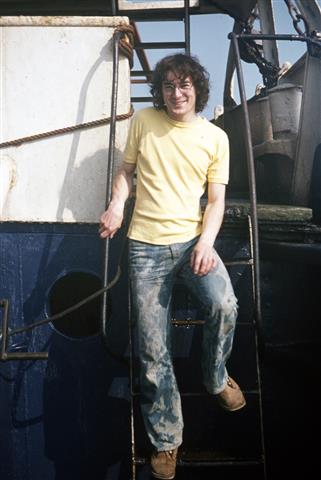 Ian Anderson was born and brought up in Shetland. In May 1966, while a student in Edinburgh, Ian was offered summer vacation work with Radio City but he did not
take up the offer because of the invasion of the fort and the death of the station owner Reg Calvert. In 1968 Ian produced the pilot of a progressive music show for
the BBC in Scotland. In 1969 he was in London trying to raise backing for after-midnight progressive music shows from the medium wave transmitter of Radio Monte Carlo when he met a group about to do the same from Radio
Andorra. Ian joined the group, which after a few tests from Andorra, switched to Monte Carlo. In January 1970 the freeform music station, Radio Geronimo, started broadcasting late night at weekends from Radio Monte
Carlo. Backed by Ringmaker music, run by the Move's manager, Tony Secunda, and Rolling Stones producer, Jimmy Miller, Geronimo was an attempt at an alternative form of radio, eventually part funded by mail-order.
Sadly it did not last. Later, in 1973, two of its DJs, Hugh Nolan and Barry Everitt, joined the Caroline organisation to launch Radio Seagull. Meanwhile,
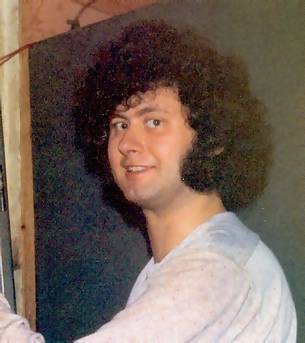
in 1972, Ian Anderson, had joined Radio Northsea International. He has been asked by (general manager) Eva Pfister to look after the station's news service and public service announcements. Ian presented his first
music programme on RNI's short wave ‘World Service’ on 10th December that year. He later became the regular relief DJ, and then a member of the three on/three off DJ shifts. In May 1973 the shift pattern
broke down. Ian was only one day into his shore leave, after six weeks on board, when he was asked to go back to the ship. He refused and was fired. He was immediately asked by Chris Cary (alias DJ
Spangles Muldoon), who was running the Caroline organisation, to set up a news service there. Caroline then entered a rough patch and Chris left the organisation. However Ian appeared on
the Mi Amigo in September and October 1973, just missing joining his old Geronimo colleagues on Radio Seagull. They had left, never to return, leaving the original Geronimo record library behind. Sadly Ian's time on the
station was cut short when the aerial mast collapsed. Some months later he returned to his home in Shetland and in 1974 became one of the team setting up Radio Forth in Edinburgh, first as senior DJ and then as Head
of Music. In June 1976 Ian returned to freelance writing and broadcasting. He wrote The Radio Caroline Rock Record Collectors Guide (published June 1977) and other books. In September 1985 he established the
Shetland Islands Broadcasting Company (SIBC) which is owned and operated by Ian and his wife Inga. SIBC started broadcasting in November 1987. (Many thanks to Ian
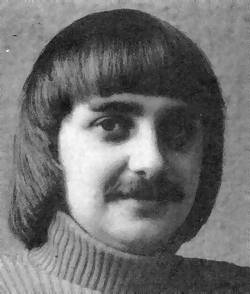
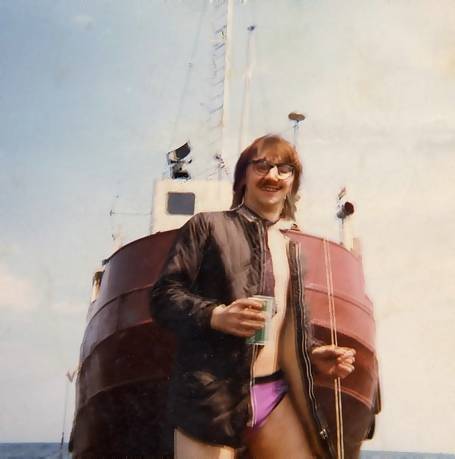
for his help with the above and for the photo, taken on board the mv Mi Amigo in September 1973. There are more of Ian's photos, dating from the following month, here, and some from his time on
RNI here.)
Ian Anderson was born and brought up in Shetland. In May 1966, while a student in Edinburgh, Ian was offered summer vacation work with Radio City but he did not
take up the offer because of the invasion of the fort and the death of the station owner Reg Calvert. In 1968 Ian produced the pilot of a progressive music show for
the BBC in Scotland. In 1969 he was in London trying to raise backing for after-midnight progressive music shows from the medium wave transmitter of Radio Monte Carlo when he met a group about to do the same from Radio
Andorra. Ian joined the group, which after a few tests from Andorra, switched to Monte Carlo. In January 1970 the freeform music station, Radio Geronimo, started broadcasting late night at weekends from Radio Monte
Carlo. Backed by Ringmaker music, run by the Move's manager, Tony Secunda, and Rolling Stones producer, Jimmy Miller, Geronimo was an attempt at an alternative form of radio, eventually part funded by mail-order.
Sadly it did not last. Later, in 1973, two of its DJs, Hugh Nolan and Barry Everitt, joined the Caroline organisation to launch Radio Seagull. Meanwhile,
in 1972, Ian Anderson, had joined Radio Northsea International. He has been asked by (general manager) Eva Pfister to look after the station's news service and public service announcements. Ian presented his first
music programme on RNI's short wave ‘World Service’ on 10th December that year. He later became the regular relief DJ, and then a member of the three on/three off DJ shifts. In May 1973 the shift pattern
broke down. Ian was only one day into his shore leave, after six weeks on board, when he was asked to go back to the ship. He refused and was fired. He was immediately asked by Chris Cary (alias DJ
Spangles Muldoon), who was running the Caroline organisation, to set up a news service there. Caroline then entered a rough patch and Chris left the organisation. However Ian appeared on
the Mi Amigo in September and October 1973, just missing joining his old Geronimo colleagues on Radio Seagull. They had left, never to return, leaving the original Geronimo record library behind. Sadly Ian's time on the
station was cut short when the aerial mast collapsed. Some months later he returned to his home in Shetland and in 1974 became one of the team setting up Radio Forth in Edinburgh, first as senior DJ and then as Head
of Music. In June 1976 Ian returned to freelance writing and broadcasting. He wrote The Radio Caroline Rock Record Collectors Guide (published June 1977) and other books. In September 1985 he established the
Shetland Islands Broadcasting Company (SIBC) which is owned and operated by Ian and his wife Inga. SIBC started broadcasting in November 1987. (Many thanks to Ian
for his help with the above and for the photo, taken on board the mv Mi Amigo in September 1973. There are more of Ian's photos, dating from the following month, here, and some from his time on
RNI here.)
Ian Anderson on the early morning Skyline from Radio Northsea International, 16th May 1973, part of a longer recording made available by The Offshore Radio Archive. Thanks to Ian for correcting the date of the
programme (duration 1 minutes 17 seconds)
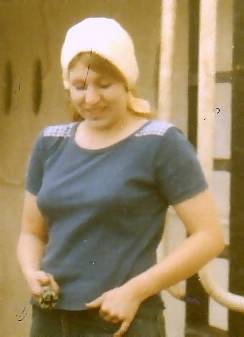
Lynda Anderson the wife of Andy Anderson, Lynda was heard occasionally on Radio Atlantis. We asked if anyone could provide more information and Lynda's
colleague on the mv. Jeanine, Steve England, replied: “Lynda did one show on Atlantis but, after we gave her some advice and criticism, refused to ever do another show - although
she did speak on air from time to time in other people's shows and on the farewell show. Lynda has the distinction of being married to Andy twice with approximately a decade gap. They are now divorced again.” Since then
we have heard the sad news that Lynda died in November 2014. (Our thanks to Steve. This photo was taken by Steve and kindly provided by Hans Knot. There are more photos in John Harding's album.)
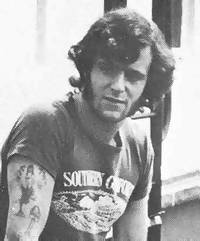 Tom Anderson One of the most popular Caroline DJs during the seventies and eighties, Tom was first heard on the station in the early hours of 14th June 1976. He left
the following February but returned to the ship a couple of years later, in April 1979. He was one of the last DJs on Caroline's ship, the mv Mi Amigo, being taken off by lifeboat the night she sank in March 1980.
His memories of that night can be found here. He helped on the fitting out of the new vessel, the Ross Revenge, and presented the first programme when the station returned to the air in 1983 (see entry in
The Pirate Radio Hall of Fame ‘Eighties Supplement’). He now lives in France but returned to the UK to take part in the
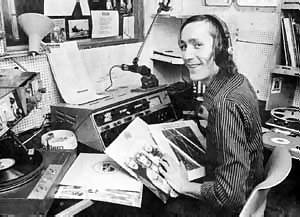
Spirit of the Seventies reunion broadcast of July 2022. (Photo from the ‘Radio Caroline Picture Souvenir Book’ published by MRP Books. There are some more recent photos of him, taken at a
2018 DJs' reunion, here. )
Tom Anderson One of the most popular Caroline DJs during the seventies and eighties, Tom was first heard on the station in the early hours of 14th June 1976. He left
the following February but returned to the ship a couple of years later, in April 1979. He was one of the last DJs on Caroline's ship, the mv Mi Amigo, being taken off by lifeboat the night she sank in March 1980.
His memories of that night can be found here. He helped on the fitting out of the new vessel, the Ross Revenge, and presented the first programme when the station returned to the air in 1983 (see entry in
The Pirate Radio Hall of Fame ‘Eighties Supplement’). He now lives in France but returned to the UK to take part in the
Spirit of the Seventies reunion broadcast of July 2022. (Photo from the ‘Radio Caroline Picture Souvenir Book’ published by MRP Books. There are some more recent photos of him, taken at a
2018 DJs' reunion, here. )
Tom Anderson on an early evening programme from Radio Caroline, 8th July 1976, soon after he joined the station. The clip is part of a longer recording shared by The Offshore Radio Archive (duration 4 minutes 19 seconds)
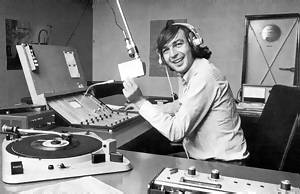 Andy Archer worked on Radios City and Caroline during the sixties. There is a biography in the main section of The
Pirate Radio Hall of Fame. Following Caroline's 1968 closure Andy worked in discos and made the occasional appearance on the BBC's Radio One Club. In February 1970 he joined Radio Northsea International and stayed
through a very eventful seven months until its closedown in September. He lived in Amsterdam for a while, returning to the UK in 1971. RNI reopened and Andy went back to the ship in August 1971 but, following a disagreement, he was
sacked after just four days. When Caroline's mv Mi Amigo put to sea again in late 1972, Andy joined the station, initially running the Dutch Service but later taking over all programming. He has said that the period before the
implementation of the Dutch anti-pirate legislation in 1974 was the happiest of his career. His diary of that year can be found here. He left Caroline at the end of October 1974 and joined Tyne-Tees Television
as a continuity announcer, later moving to Radio Orwell in Ipswich. In September 1975 he was one of the first people to be prosecuted under the Marine Offences Act. He pleaded guilty to working on a pirate and was fined. From Radio
Orwell he went to Devonair, then to Ireland's Radio Nova and Leicester's Centre Radio but, when that station went broke, he was free to join the new Radio Caroline in time for its re-launch from a new ship in 1983 (see
The Pirate Radio Hall of Fame ‘Eighties Supplement’). There are some recent photos here. (Photo from the RNI Souvenir Book,
published by Hit-Publications, Zurich.)
Andy Archer worked on Radios City and Caroline during the sixties. There is a biography in the main section of The
Pirate Radio Hall of Fame. Following Caroline's 1968 closure Andy worked in discos and made the occasional appearance on the BBC's Radio One Club. In February 1970 he joined Radio Northsea International and stayed
through a very eventful seven months until its closedown in September. He lived in Amsterdam for a while, returning to the UK in 1971. RNI reopened and Andy went back to the ship in August 1971 but, following a disagreement, he was
sacked after just four days. When Caroline's mv Mi Amigo put to sea again in late 1972, Andy joined the station, initially running the Dutch Service but later taking over all programming. He has said that the period before the
implementation of the Dutch anti-pirate legislation in 1974 was the happiest of his career. His diary of that year can be found here. He left Caroline at the end of October 1974 and joined Tyne-Tees Television
as a continuity announcer, later moving to Radio Orwell in Ipswich. In September 1975 he was one of the first people to be prosecuted under the Marine Offences Act. He pleaded guilty to working on a pirate and was fined. From Radio
Orwell he went to Devonair, then to Ireland's Radio Nova and Leicester's Centre Radio but, when that station went broke, he was free to join the new Radio Caroline in time for its re-launch from a new ship in 1983 (see
The Pirate Radio Hall of Fame ‘Eighties Supplement’). There are some recent photos here. (Photo from the RNI Souvenir Book,
published by Hit-Publications, Zurich.)
Andy Archer on Radio Northsea International, during the morning of 27th August 1970 (duration 3 minutes 55 seconds)
Andy Archer on Radio Seagull from 25th September 1973. The ‘Grizelda’ and ‘Mary’ he mentions are Graham Gill and Robin Adcroft, two former
colleagues now working on rival station, RNI. Both tapes courtesy of The Offshore Radio Archive (duration 3 minutes 30 seconds)
 Eddie Austin from Dover, Kent, born 5th September 1949. Like many of his generation, Eddie was fascinated by the offshore stations of the sixties. As a 16 year old
student, he planned to launch a part-time station, Radio Dover, from a friend's cabin cruiser although, sadly, this came to nothing. In early 1970 he met Steve &
Debbie England, as both he and they had local mobile disco businesses. At the time Eddie was sharing a flat with Robin Adcroft and together they operated
the land-based pirate Channel Radio. Eddie told us: “In early March 1974, Steve asked me to visit the Jeanine to assist Andy Anderson with engineering and present the Yawn Into Dawn
show (on Radio Atlantis). As my wife was expecting our first child it was agreed I would only stay a few weeks.” Eddie remembered one funny incident whilst on board: “I decided to do some spring cleaning after coming
off air at 6am. I picked up what I thought to be some rags in my cabin. Later that day Dave Rogers was quite upset when he could find his underwear!! On my departure from the ship, I was given a stack of 10 inch open-reel tapes
and asked to record shows to be used as ‘storm tapes’ for when the sea got too rough to play records. As these recordings could not contain time checks or any reference to chart positions, I decided to make up comedy
sketches between the songs.” As well as being used in times of rough weather, Eddie told us these were also transmitted sometimes late on Saturday nights, after the chart show. He also helped Atlantis in other ways: “When
the station needed urgent supplies from the UK, I would send them on the Townsend Thoresen ferries at Dover and they would be collected by A.J Beirens in Belgium (who held a senior position for
the shipping line at that time). A.J. ensured they got onto the tender out to the ship. During Atlantis' last week on air, in August 1974, my wife gave birth to a daughter. We named her after the station's ship, Jeanine. News
reached the station and her birth was announced on air during the final hour. In my opinion Atlantis was the most fun-loving and imaginative of all the seventies radio stations. It was so sad the audience was limited by such a
low powered transmitter.” After the closure, Eddie brought back Channel Radio but was taken to court and fined a then record £250. He formed a company to bid for a local radio franchise. This resulted in Kent's Invicta
Radio. He later put together another group to bid for an East Kent license and Neptune Radio was launched in September 1997. Eddie tols us “In 2001 I decided to sell my shares and move to Malaysia. Neptune is now part of the
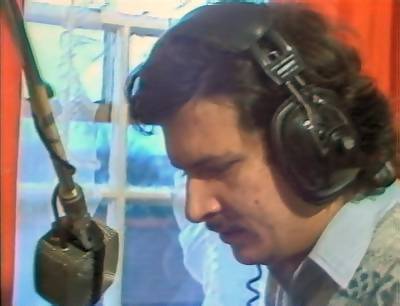
KMFM group.” Eddie lived in Malaysia for many years but returned to the UK during the Covid pandemic in 2020. He died in a Kent hospital on 16th September 2021 from pneumonia induced by Covid-19 and prostate cancer. (This
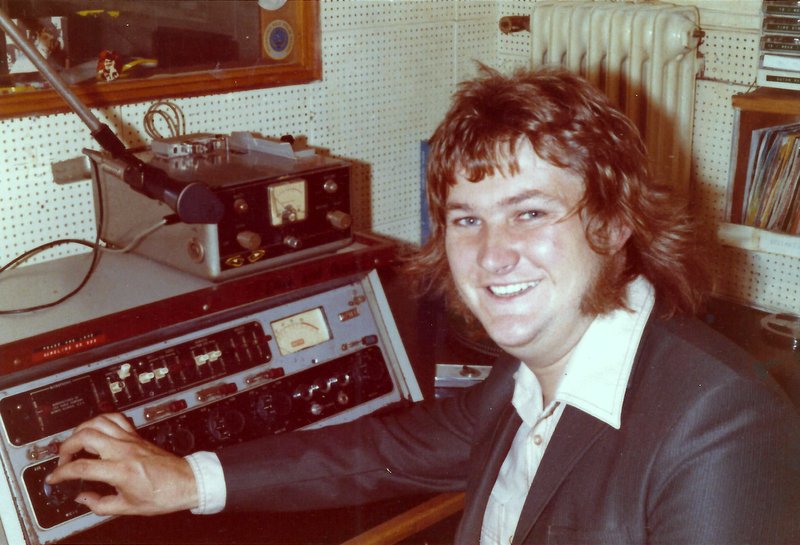
photo, courtesy of Steve England, shows Eddie in the Radio Caroline studio in 1973. He never broadcast on Caroline but joined Atlantis the following year. There are a couple of photos of Eddie from
his time on Atlantis here.).
Eddie Austin from Dover, Kent, born 5th September 1949. Like many of his generation, Eddie was fascinated by the offshore stations of the sixties. As a 16 year old
student, he planned to launch a part-time station, Radio Dover, from a friend's cabin cruiser although, sadly, this came to nothing. In early 1970 he met Steve &
Debbie England, as both he and they had local mobile disco businesses. At the time Eddie was sharing a flat with Robin Adcroft and together they operated
the land-based pirate Channel Radio. Eddie told us: “In early March 1974, Steve asked me to visit the Jeanine to assist Andy Anderson with engineering and present the Yawn Into Dawn
show (on Radio Atlantis). As my wife was expecting our first child it was agreed I would only stay a few weeks.” Eddie remembered one funny incident whilst on board: “I decided to do some spring cleaning after coming
off air at 6am. I picked up what I thought to be some rags in my cabin. Later that day Dave Rogers was quite upset when he could find his underwear!! On my departure from the ship, I was given a stack of 10 inch open-reel tapes
and asked to record shows to be used as ‘storm tapes’ for when the sea got too rough to play records. As these recordings could not contain time checks or any reference to chart positions, I decided to make up comedy
sketches between the songs.” As well as being used in times of rough weather, Eddie told us these were also transmitted sometimes late on Saturday nights, after the chart show. He also helped Atlantis in other ways: “When
the station needed urgent supplies from the UK, I would send them on the Townsend Thoresen ferries at Dover and they would be collected by A.J Beirens in Belgium (who held a senior position for
the shipping line at that time). A.J. ensured they got onto the tender out to the ship. During Atlantis' last week on air, in August 1974, my wife gave birth to a daughter. We named her after the station's ship, Jeanine. News
reached the station and her birth was announced on air during the final hour. In my opinion Atlantis was the most fun-loving and imaginative of all the seventies radio stations. It was so sad the audience was limited by such a
low powered transmitter.” After the closure, Eddie brought back Channel Radio but was taken to court and fined a then record £250. He formed a company to bid for a local radio franchise. This resulted in Kent's Invicta
Radio. He later put together another group to bid for an East Kent license and Neptune Radio was launched in September 1997. Eddie tols us “In 2001 I decided to sell my shares and move to Malaysia. Neptune is now part of the
KMFM group.” Eddie lived in Malaysia for many years but returned to the UK during the Covid pandemic in 2020. He died in a Kent hospital on 16th September 2021 from pneumonia induced by Covid-19 and prostate cancer. (This
photo, courtesy of Steve England, shows Eddie in the Radio Caroline studio in 1973. He never broadcast on Caroline but joined Atlantis the following year. There are a couple of photos of Eddie from
his time on Atlantis here.).
Eddie Austin on Radio Atlantis from 1974. Recording made by Jan Kees Bruinooge and kindly passed on to us by Hans Knot (duration 2 minutes 46 seconds)